Fruit Tea Menu Planning for Asian Restaurants

A fruit tea menu gives a restaurant another flavor direction alongside creamy drinks. But changing the fruit name does not necessarily create a useful new choice. A strong lineup balances differences guests can taste with a preparation process the restaurant can support.
Begin with the role you want each drink to play: a citrus-forward choice, a fragrant tea-led option or a fuller tropical flavor. These are planning categories, not predictions of what will sell. Validate the shortlist with your own food, guests and service conditions.
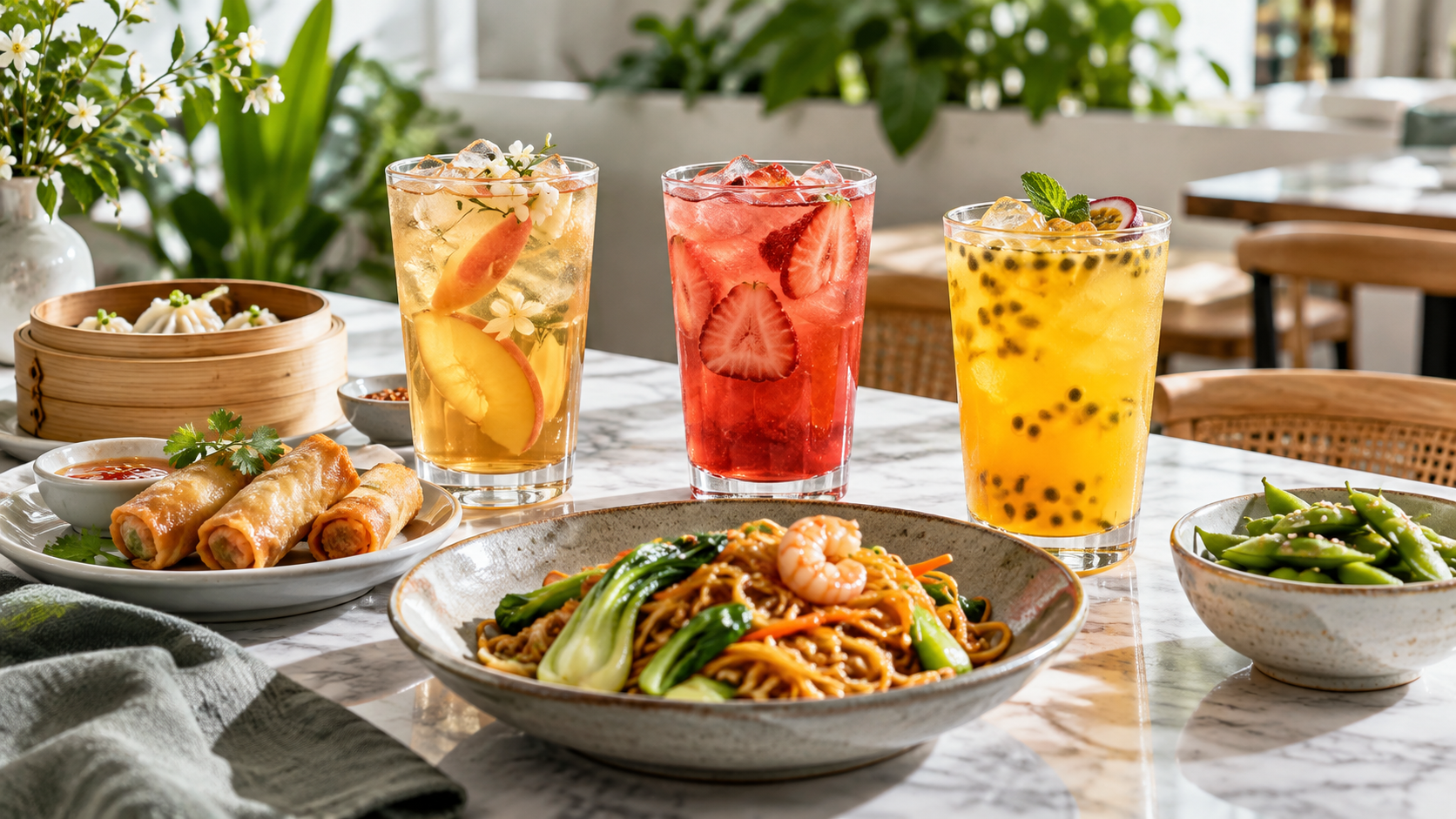
Choose Distinct Roles for the Fruit Tea Menu
For a SiPod setup, begin with the supplier-approved recipes and ingredients. The current beverage FAQ does not support self-replacement of ingredients or custom drink creation. The general tasting framework below is not permission to load fresh fruit, outside ingredients or experimental recipes into a SiPod machine.
Let the tea base contribute
Specify the tea base before comparing fruit ingredients. Evaluate the finished combination rather than tasting a syrup by itself. The tea, fruit component, sweetness and ice should be assessed as one recipe. Record the exact ingredient product, not just a broad flavor name.
Avoid three versions of the same choice
Compare candidates side by side. If several drinks deliver a similar impression, ask whether all of them belong on the opening menu. Guests should be able to understand the difference from a short description. Use the currentSiPod beverage rangeas a starting point for a recipe discussion, then confirm availability and preparation requirements.
Test the Recipe Before Adding Modifiers
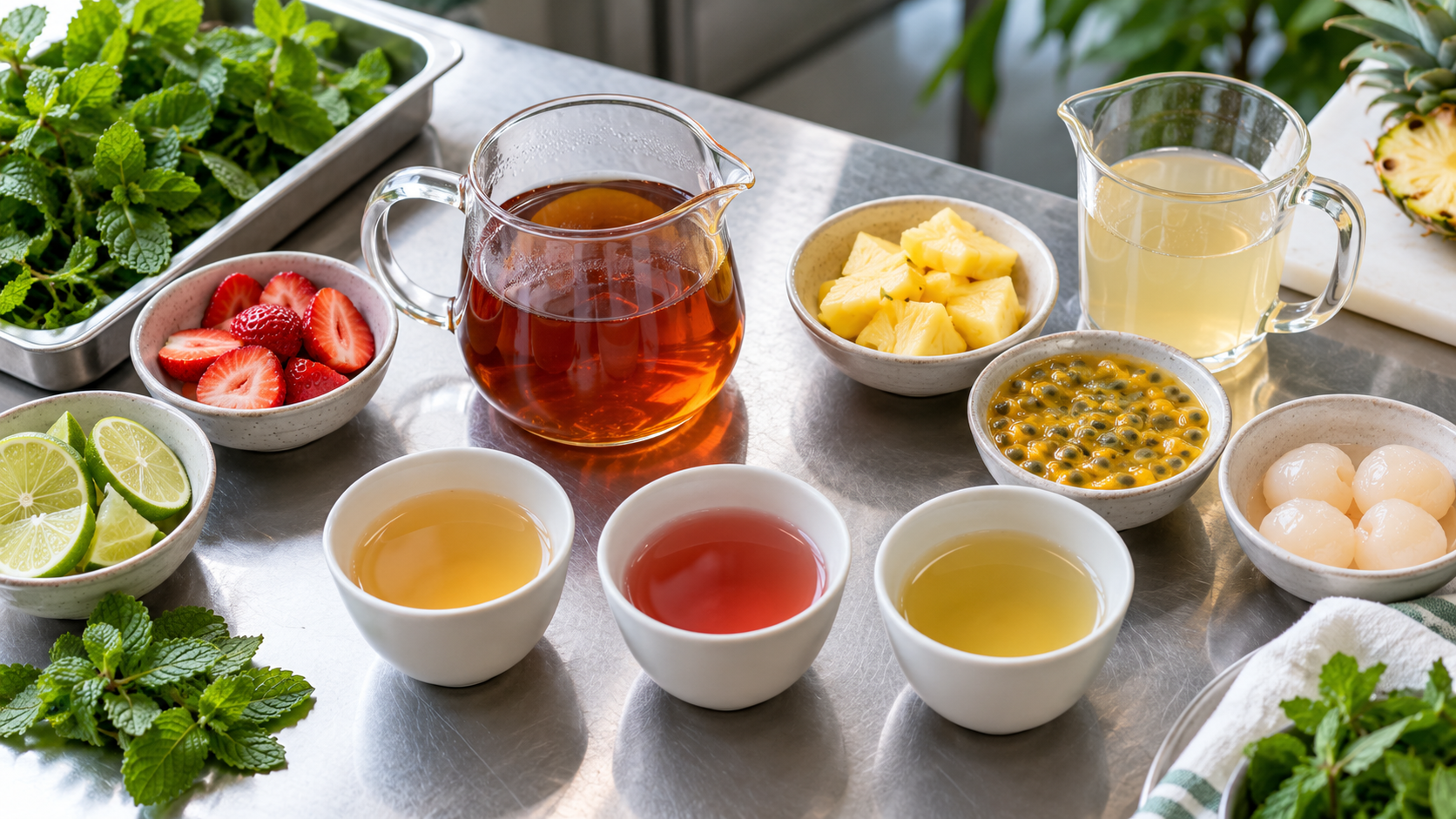
Fix the cup, ingredient quantities, tea preparation, ice and finishing sequence for the first test. Compare one deliberate change at a time, keeping the other inputs constant. A note such as “version B tasted better” is difficult to reproduce unless the underlying change is recorded.
Keep the assessment practical: flavor balance, visible separation, appearance after normal handoff and the ease of following the recipe. Set your own acceptance criteria and record the result. A visual or taste check is not a food-safety validation; use supplier handling instructions and your approved food-safety procedures separately.
Do not assume fresh fruit, fruit pieces or every concentrate can go into a dispensing machine. Keep manual garnishing separate from machine-compatible ingredients and verify the exact configuration with the equipment supplier. Themachine demo checklisthelps organize those questions.
Write Descriptions That Match the Actual Drink
Use an understandable name
State the main flavor and tea base where useful. Avoid a poetic name with no description. If the menu is bilingual, have staff check that both names identify the same recipe and default serving.
Keep claims within your evidence
Do not assume “fruit” means sugar-free, caffeine-free, dairy-free or suitable for a particular dietary need. Check the complete recipe and current ingredient documentation before making any claim. A guest asking for a restricted ingredient needs an accurate answer, not a guess based on the drink category.
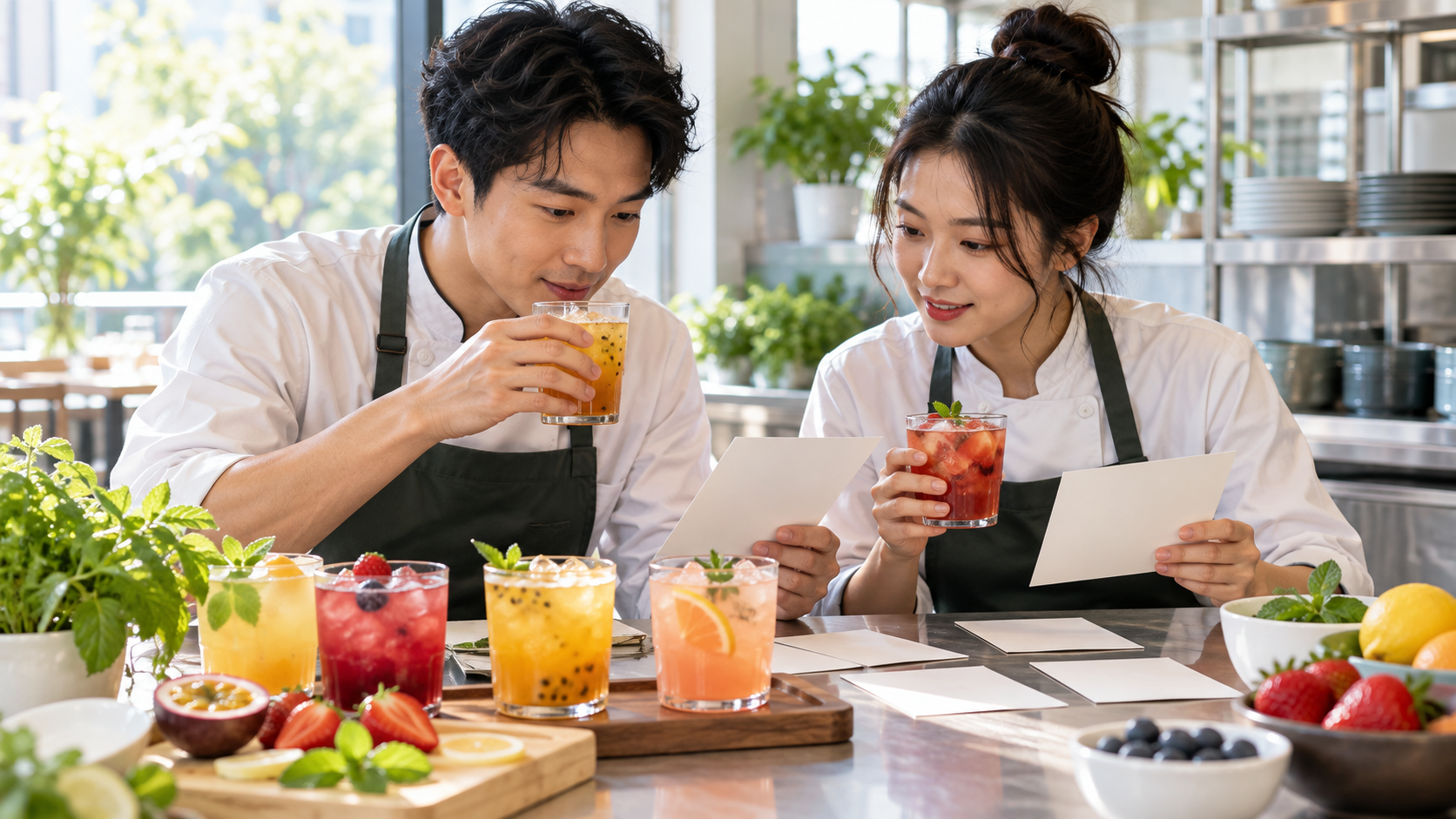
Test the Fruit Tea Menu Alongside Food Orders
Serve trial drinks with the restaurant's typical food in a controlled internal tasting. Record which combinations people prefer and why, without presenting a small staff tasting as market research. Then simulate ordering and handoff: check cup identification, garnish handling, allowed modifications and the point at which a drink waits for food.
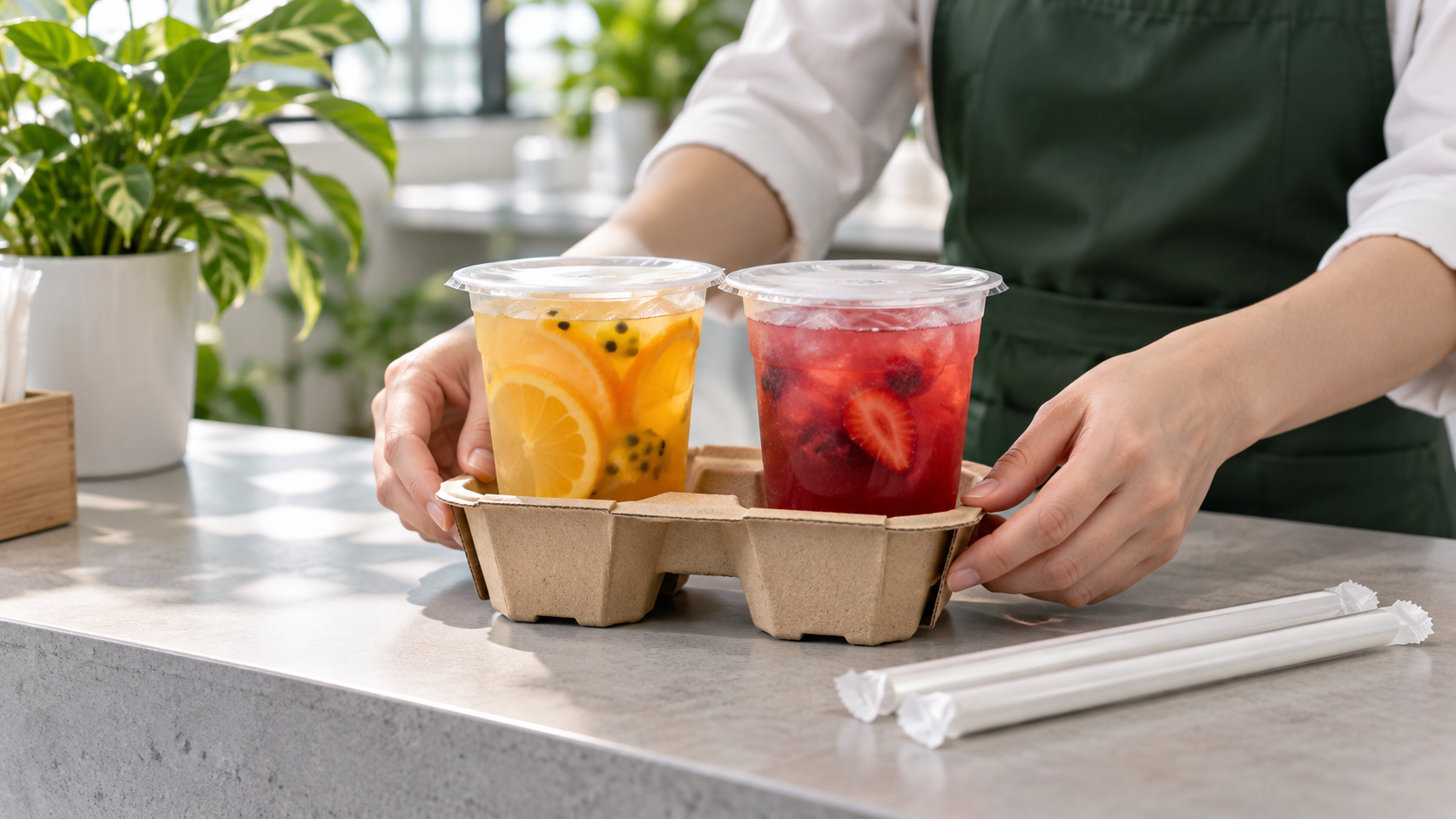
For takeaway, assess the full packaged order. A drink can look attractive on the counter but arrive looking different after movement. Record the actual conditions of the test rather than claiming universal travel performance.
Keep a Small Launch Decision Log
Recipe name and version, including the exact tea and fruit inputs.
Distinct flavor role and intended menu description.
Approved modifiers and manual finishing steps.
Packaging and handoff observations.
Keep, revise or pause decision, with a named reviewer.
After launch, review orders, remakes, waste observations and guest questions together. Do not add another flavor solely because an ingredient is available. A focused fruit tea menu should remain understandable and operationally manageable. Explore SiPod beverages to shortlist recipes and review supply options before confirming your final assortment.


Comments