Bubble Tea Menu Planning: A Focused Lineup for Restaurants

A useful bubble tea menu is not the longest list of flavors. It is a set of choices that fits your food, your customers and the work your team can reliably complete. For a North American Asian restaurant, the goal is to make the drink decision easy without turning the counter into a separate full-service tea shop.
Start with a shortlist, test it alongside food orders, and add complexity only when your own sales and service observations justify it. The framework below is a planning exercise, not a claim that any particular lineup guarantees demand.
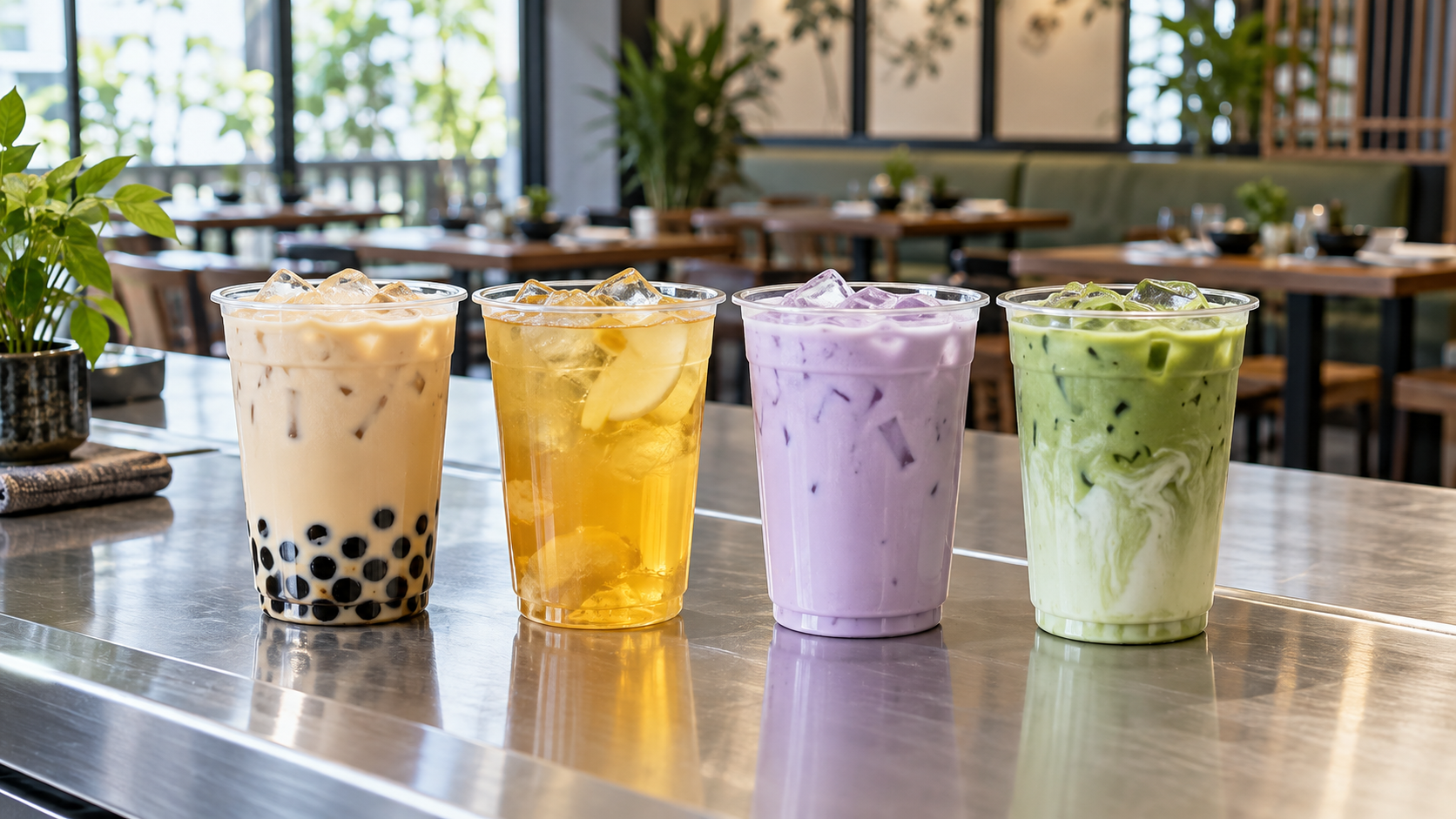
Give Every Drink a Job on the Bubble Tea Menu
A familiar starting point
Choose a recognizable milk-tea option that staff can describe without a long explanation. Specify the tea base, cup size, topping and default sweetness. A name such as “house milk tea” still needs a plain-language description so guests know what they are ordering.
A contrasting flavor or texture
A fruit-tea option can offer a different flavor direction from a creamy drink. A matcha or taro option may also belong on the shortlist if your customers request it. Treat these as candidates for testing, not automatic additions. Check the currentSiPod beverage selectionwhen discussing available recipes.
Before retaining a drink, ask what distinct guest need it serves. If two drinks taste similar but require separate ingredients and finishing steps, one may be enough for the first version.
Build the Menu Around Recipes, Not Just Names
For each candidate, write one recipe card: approved ingredients, measured quantities, cup, ice specification, topping portion, finishing order and reference photograph. Confirm which operations your equipment performs and which remain manual. A finished drink photo alone does not define a repeatable recipe.
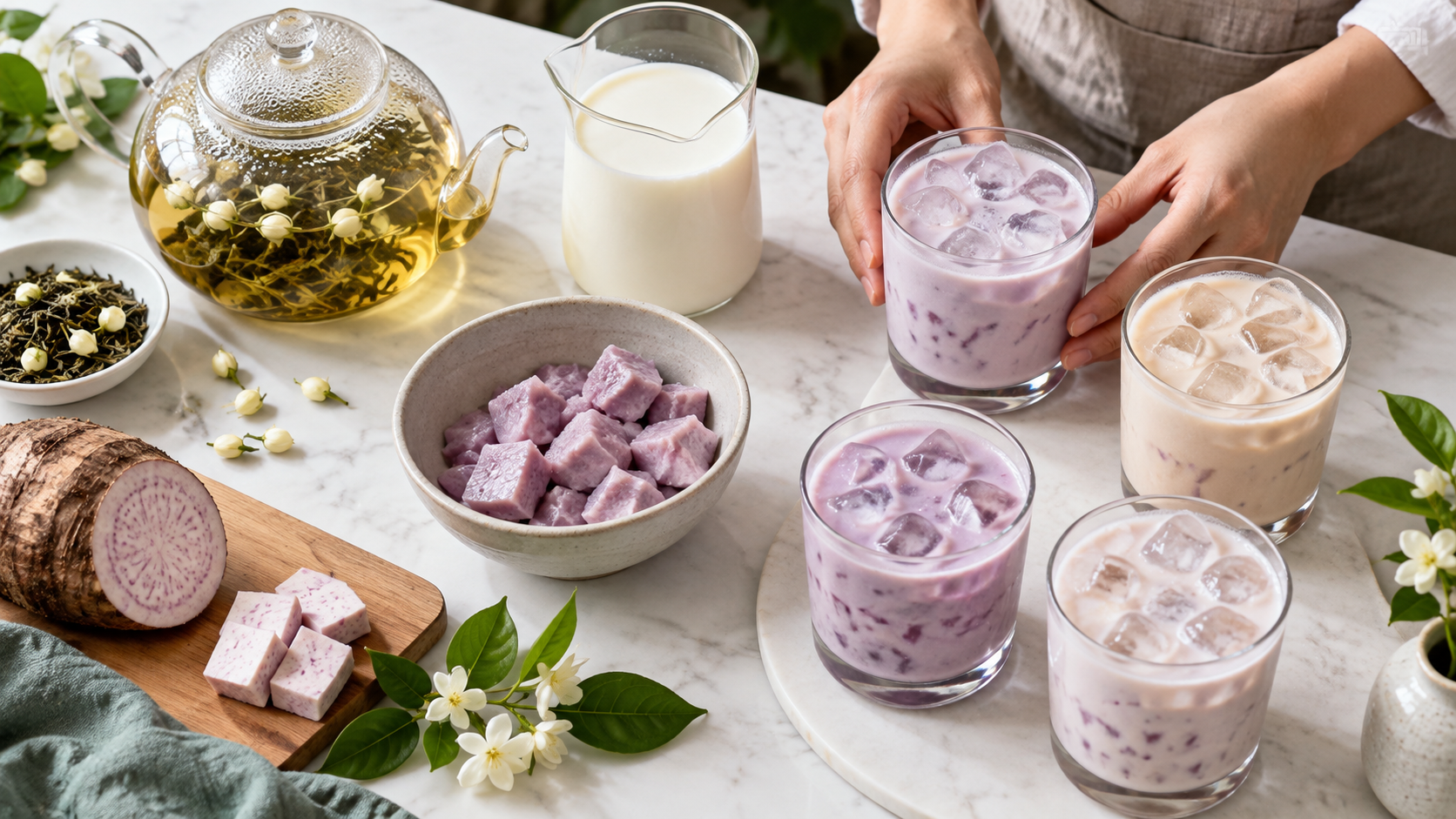
Map shared ingredients across the proposed lineup. Shared inputs can simplify purchasing, but only if the resulting drinks remain meaningfully different. Keep a separate note for ingredients used by just one item. Review their storage, replenishment and expected usage before committing to them. Therestaurant supplies checklistcan help turn approved recipes into a purchasing list.
Keep Customization Understandable
Define the default first
The printed menu, ordering screen and recipe card should agree on the standard drink. Make clear whether a topping is included or optional. Do not let the cashier invent different defaults for different guests.
Offer only tested changes
Choose modifiers your team has actually tested. Less ice, a different topping or a sweetness adjustment can affect the finished drink and the preparation sequence. Avoid promising arbitrary customization or unsupported equipment settings. Ingredient and allergen questions should be answered from current supplier documentation, not from a drink's color or category name.
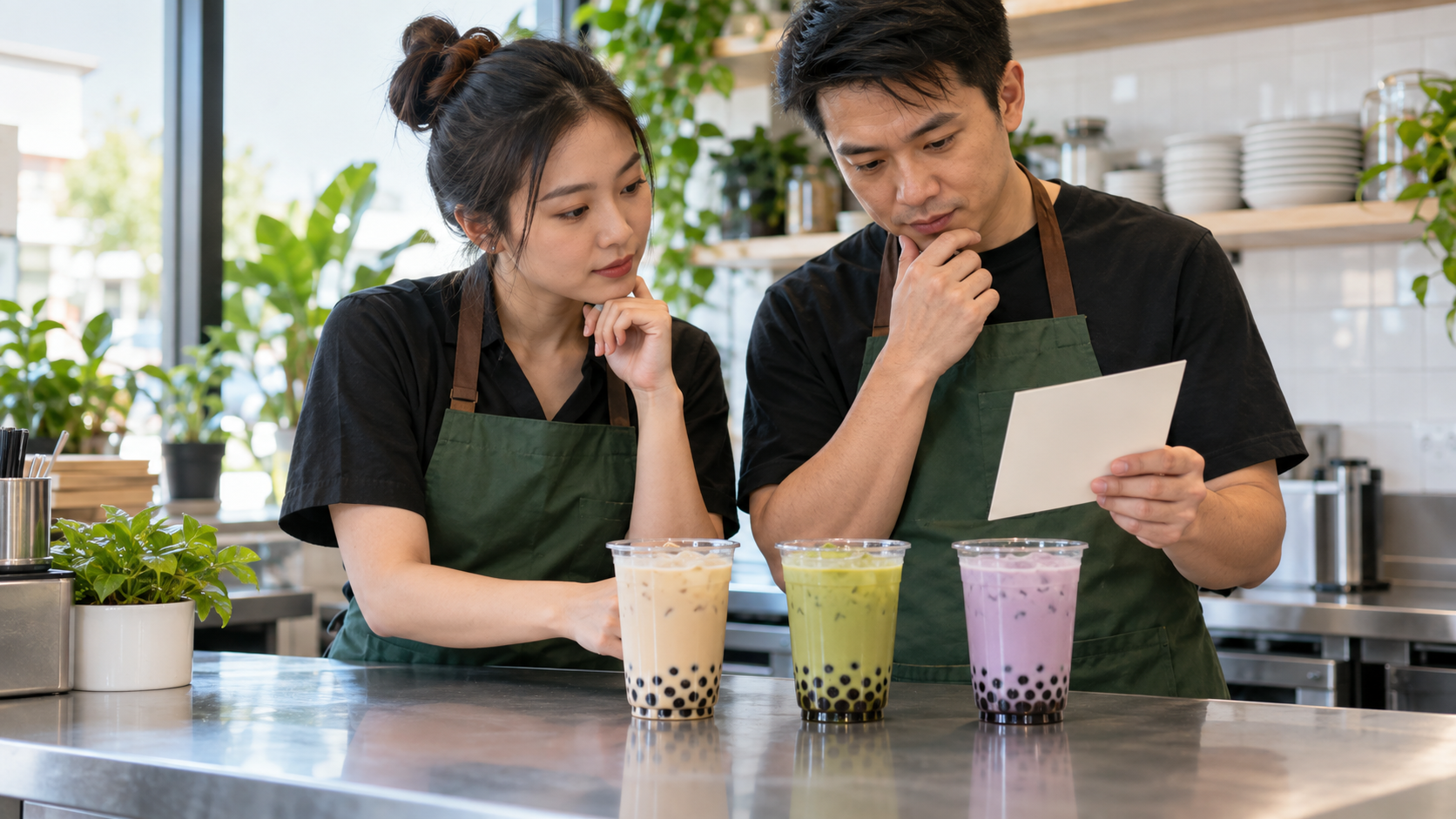
Test the Bubble Tea Menu During a Simulated Service
Run a short mock service with food tickets, repeat drinks and one allowed modification. Record what happens between ordering and handoff. Does the team understand the item names? Can staff find the correct cup? Are topping instructions visible? Does one drink repeatedly interrupt another station?
Use a simple decision log for each item: keep, revise or pause. Write the reason next to the decision. A drink that photographs well but cannot be repeated consistently needs another trial before it becomes a permanent listing.
Review the First Menu With Your Own Evidence
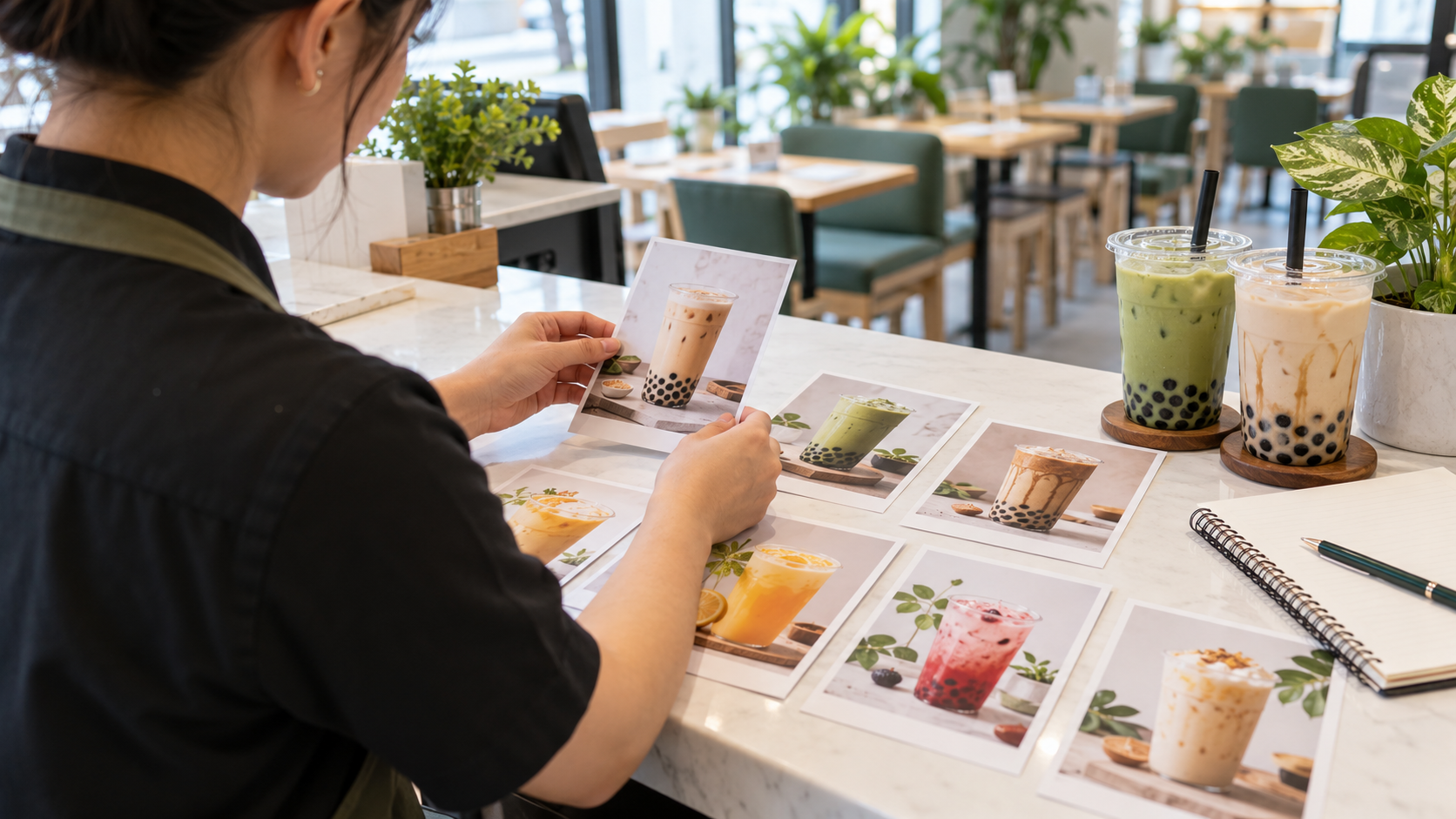
After launch, review item orders, remakes, unavailable items and guest questions together. A low-selling item may have an unclear description, poor placement or little relevance to your food. Change one factor at a time and note the review period; do not label every change a success simply because total restaurant traffic increased.
Can a guest distinguish every item without asking for a translation of the name?
Does each item have an approved recipe and a clear default?
Can the team execute allowed modifiers without improvising?
Are ingredients, packaging and replenishment covered?
Is there a named owner for menu revisions?
Your bubble tea menu should earn its complexity. Start with a lineup your team can explain and repeat, then expand from observed demand.Explore SiPod beveragesto discuss recipe options, and review theSiPod machineswith your actual menu and service workflow in hand.


Comments