Bubble Tea Pricing: A Restaurant Worksheet Before You Set the Menu

Bubble tea pricing starts with a defined drink, not a competitor's menu photo. Two cups with the same name can differ in size, topping portion, packaging and selling channel. Copying the visible price without comparing those details gives a restaurant an incomplete picture.
Use a worksheet to make assumptions visible. This article explains an operating calculation, not a recommended selling price, financial forecast or promise of profit. Your own invoices, contracts and sales records should supply the numbers.
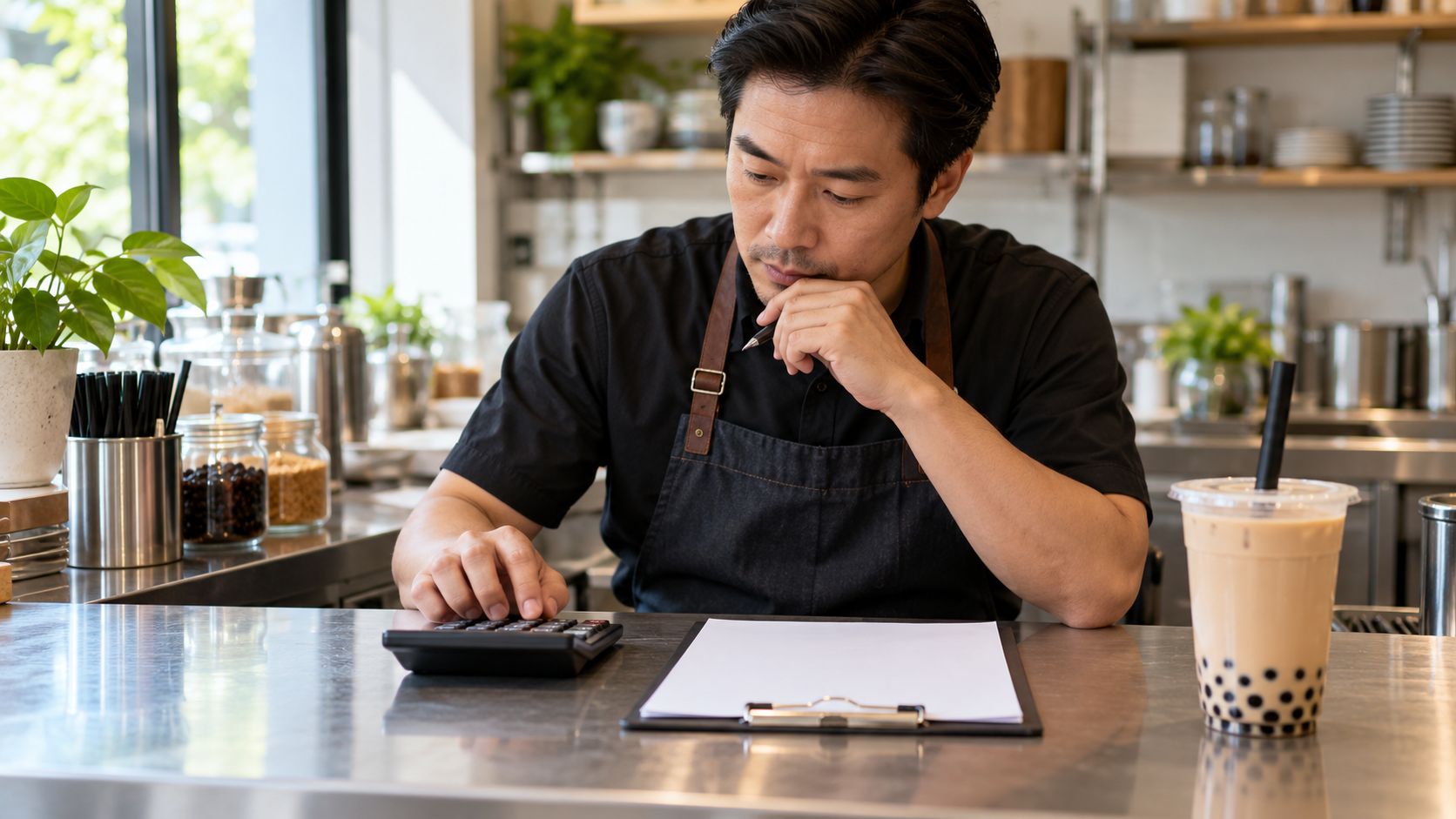
Define the Unit Before Calculating Bubble Tea Pricing
Write down the exact recipe, cup size, default topping and included packaging. Cost the portion actually served, not an idealized sample. Use consistent units when converting a supplier pack into portions: a case, bottle and serving are not interchangeable.
Separate purchase cost from usable yield
Record the invoice cost and usable quantity for each input. If a preparation process creates waste, measure it rather than silently assuming the entire package becomes saleable drinks. Update the calculation when the recipe or supplier pack changes. Thesupplies planning checklisthelps identify inputs that are easy to omit.
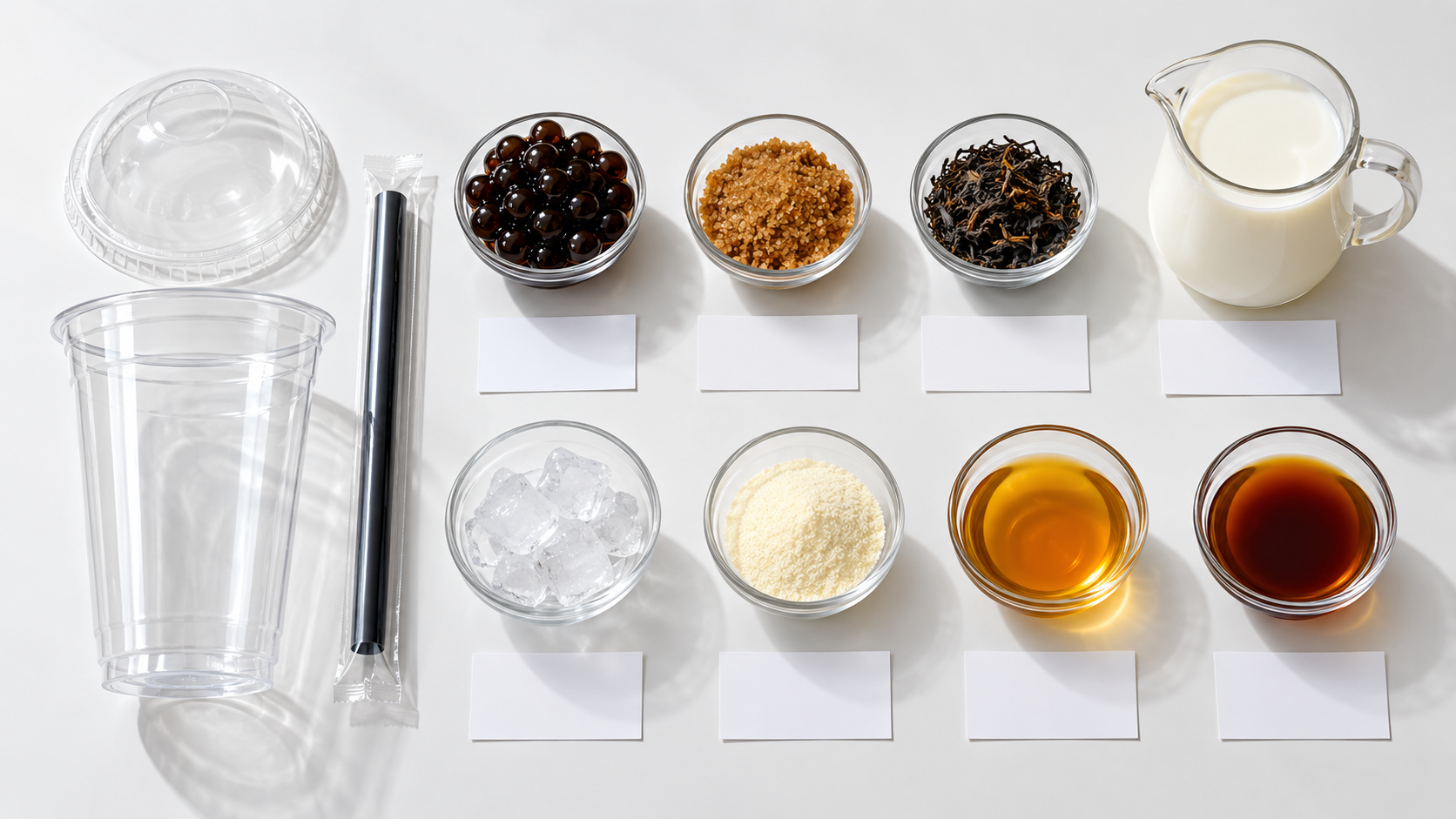
Include the items that leave with the cup
Lids, seals, straws, carriers and bags belong in the relevant channel's cost. Do not average delivery packaging into dine-in service without understanding how much of each you sell. Optional toppings also need their own cost and portion definition.
Distinguish Contribution From Profit
A practical starting calculation is: net selling revenue per drink minus the variable costs associated with that sale equals contribution per drink. Define exactly what you include in variable costs. Record ingredients, packaging, applicable transaction or channel charges and any other genuinely incremental costs consistently.
Contribution is not net profit. Rent, equipment, baseline staffing and other overhead still need to be covered. Labor treatment deserves an explicit note: extra paid labor and existing scheduled labor affect decisions differently, but neither should disappear from the wider business review. For the separate equipment question, use themachine ROI planning article.
Avoid putting one universal target percentage into every recipe. Compare the contribution left by each item, the work it requires and the role it plays on your menu. A percentage alone can conceal a small dollar contribution or an unusually complicated service step.
Check Bubble Tea Pricing by Channel
Dine-in and direct pickup
Document the actual packaging and payment arrangements. If the drink is sold with food, decide whether you are assessing the standalone drink or the combined order; mixing the two makes comparisons confusing.
Delivery and promotions
Use the fees and terms in your actual agreement. For a promotion, calculate realized revenue after the relevant discount, then subtract applicable costs. Do not assume every platform calculates charges on the same base. Review contracts and professional advice where accounting or tax treatment matters.
Compare the Market Without Copying It Blindly
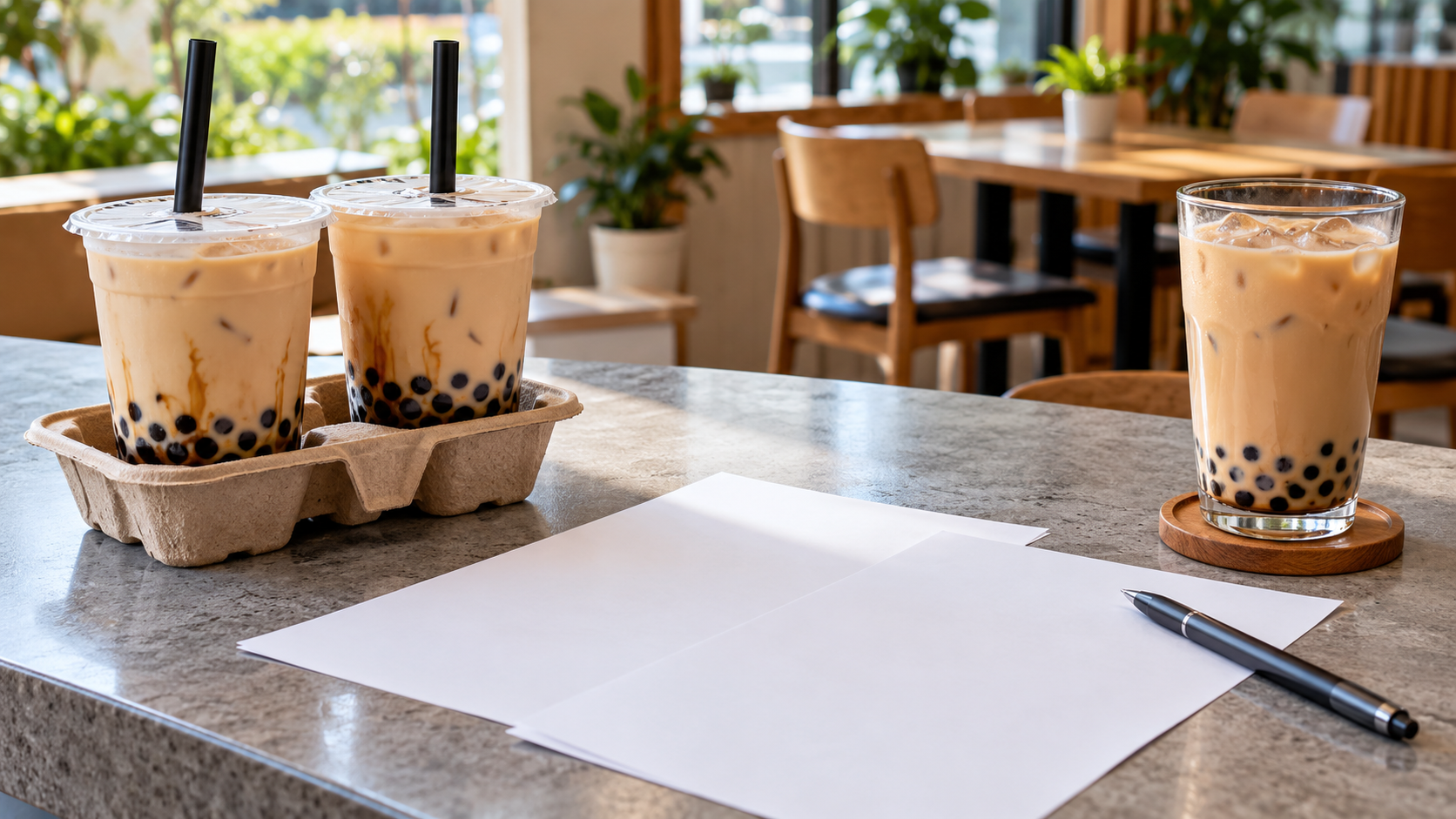
Nearby menus can provide context, but compare equivalent sizes, inclusions and ordering channels. Record the date of the observation. A promotion, premium location or different service model can explain a visible price difference. Customer willingness to pay still needs to be tested in your own setting.
Make every proposed menu change traceable: old recipe and price, proposed recipe and price, reason for change, owner and review date. Check that in-store and online menus show the intended values before staff start selling.
Keep a Reviewable Pricing Worksheet
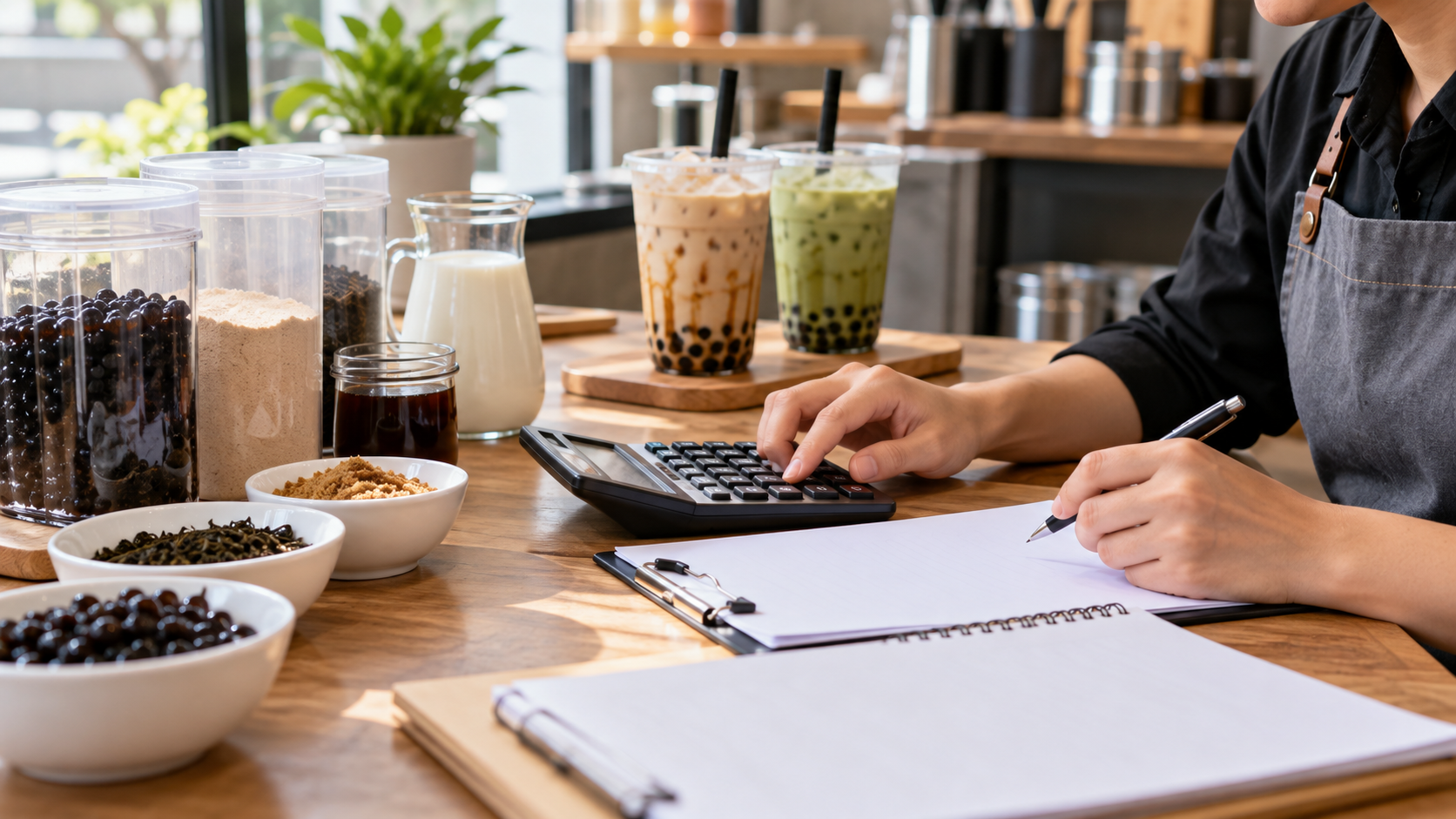
Recipe version, serving size and included topping.
Ingredient quantities, unit costs and measured usable yield.
Packaging and applicable selling-channel charges.
Net realized selling revenue and contribution definition.
Discount assumptions and items excluded from the calculation.
Evidence date, reviewer and next review trigger.
Revisit bubble tea pricing when supplier costs, recipes, packaging or channel terms change. Track actual sales mix and remakes as well as price.Review SiPod supply optionsand request current details for your proposed recipes; then put those verified inputs into your own worksheet before deciding on a selling price.


Comments