Bubble Tea Supplies: A Starter Checklist for Restaurants

The easiest way to overbuy bubble tea supplies is to start with a supplier catalog instead of a menu. A restaurant adding a few beverages does not need to stock every flavor, topping and cup format that a dedicated tea shop might carry.
Begin with the drinks you want to test alongside your food. Then work backward: which ingredients does each recipe require, which items can be shared, what packaging fits and how will the team replenish the station? That process turns bubble tea supplies into a manageable purchasing list.
This guide covers the opening-order decisions for an existing restaurant. It is a planning checklist, not a universal recipe or a list of products automatically included with a machine.
Start Your Bubble Tea Supplies List With Recipes
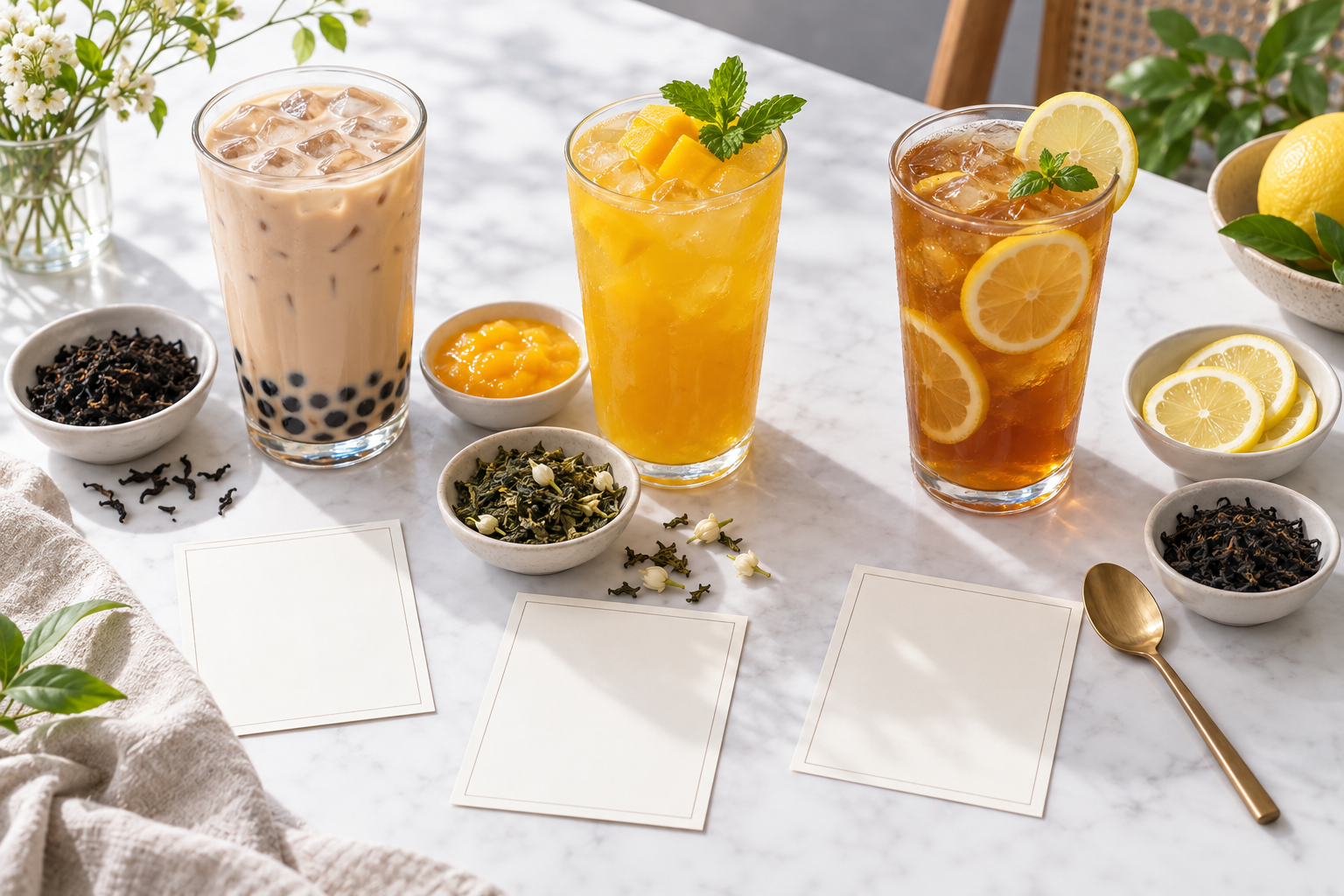
Choose a focused test menu before ordering. For example, you might compare a milk tea, a fruit tea and a lemon tea with your food. These are recipe-planning examples, not a forecast of customer demand.
Give each drink its own recipe sheet. Record its serving size, ingredients, preparation method, permitted customizations and packaging. Do not assume two suppliers' products can be exchanged in the same quantity simply because the flavor name matches.
Review the SiPod beverage menu for drink categories, then confirm which recipes and ingredients work with your specific setup. Bubble tea supplies should follow those decisions, not determine them by accident.
Identify shared ingredients
Mark the items used in more than one drink. A shared approved tea base or flavor component may simplify ordering, but only if the finished recipes still taste right. Avoid forcing every beverage to use the same base just to shorten the inventory list.
Assign every item to a job
Each line on your bubble tea supplies order should have a reason to exist: a recipe, a finishing step, packaging or a maintenance task. An attractive product with no planned use can remain off the first order.
The Ingredient Groups to Confirm
The basic groups are familiar, but product formats differ. Tea leaves, concentrates and powders are not automatically interchangeable. Ask for instructions for the exact product being quoted.
Tea and milk components
Decide how the tea will be prepared and which milk or creamer system the recipe uses. A premix may already contain several components, so check the specification before adding more ingredients. Keep the product name and supplier item code on the recipe sheet to avoid accidental substitutions.
Sweeteners and flavor ingredients
Syrups, fruit preparations and flavored powders can perform different jobs. Taste the finished drink using the planned recipe and serving format. Compare bubble tea supplies by usable servings and the quality of the finished cup, not only by the price printed on a container.
Toppings
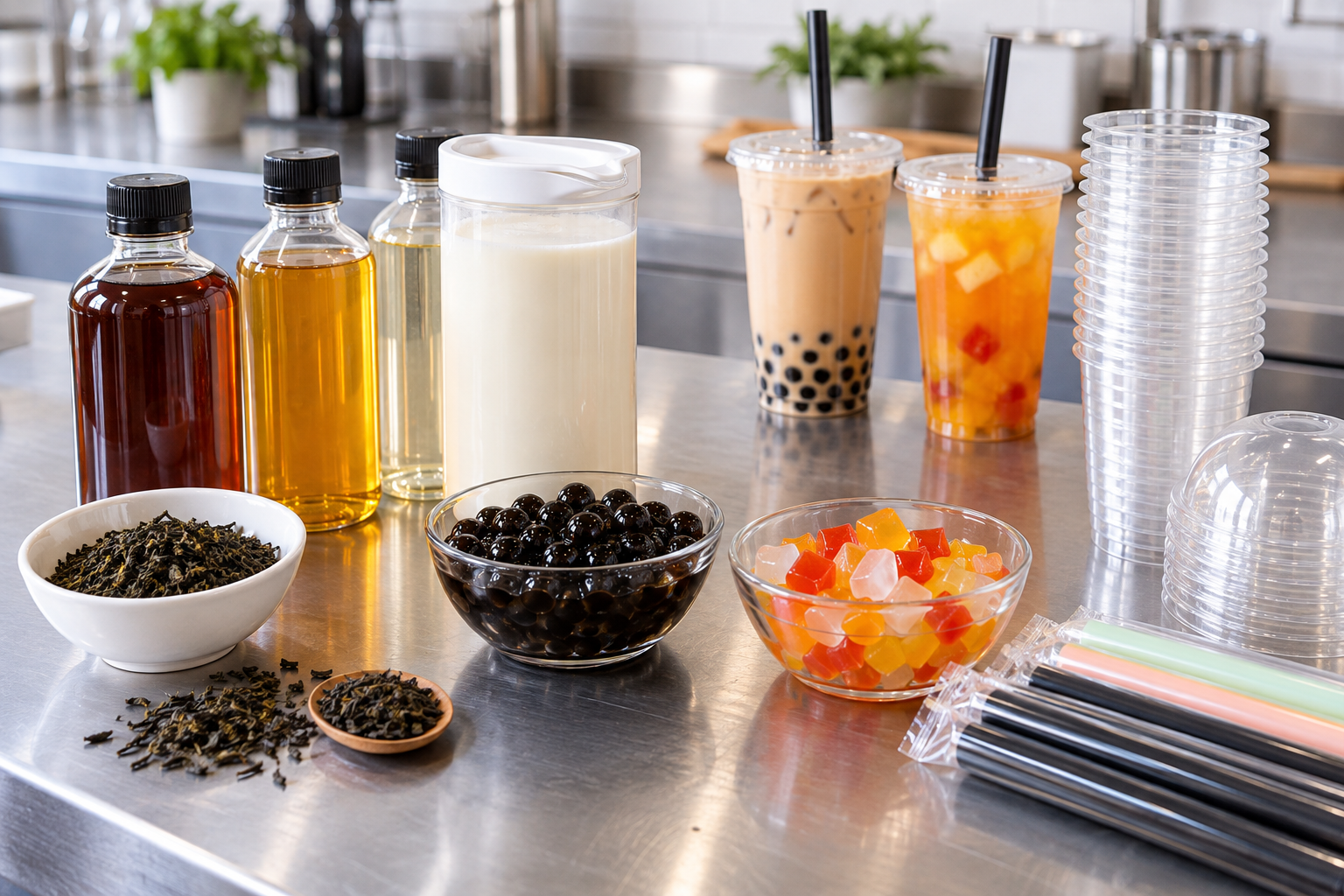
Tapioca pearls, crystal boba, popping boba and jellies are different products with different handling instructions. Choose the toppings the team can reliably prepare and serve. Do not assume a beverage machine will cook, hold or dispense them.
The SiPod supply page describes ingredient categories including tea leaves, syrups, fruit jam and selected toppings. Confirm the current assortment and model compatibility before placing an order.
Include Packaging in Your Bubble Tea Supplies Order
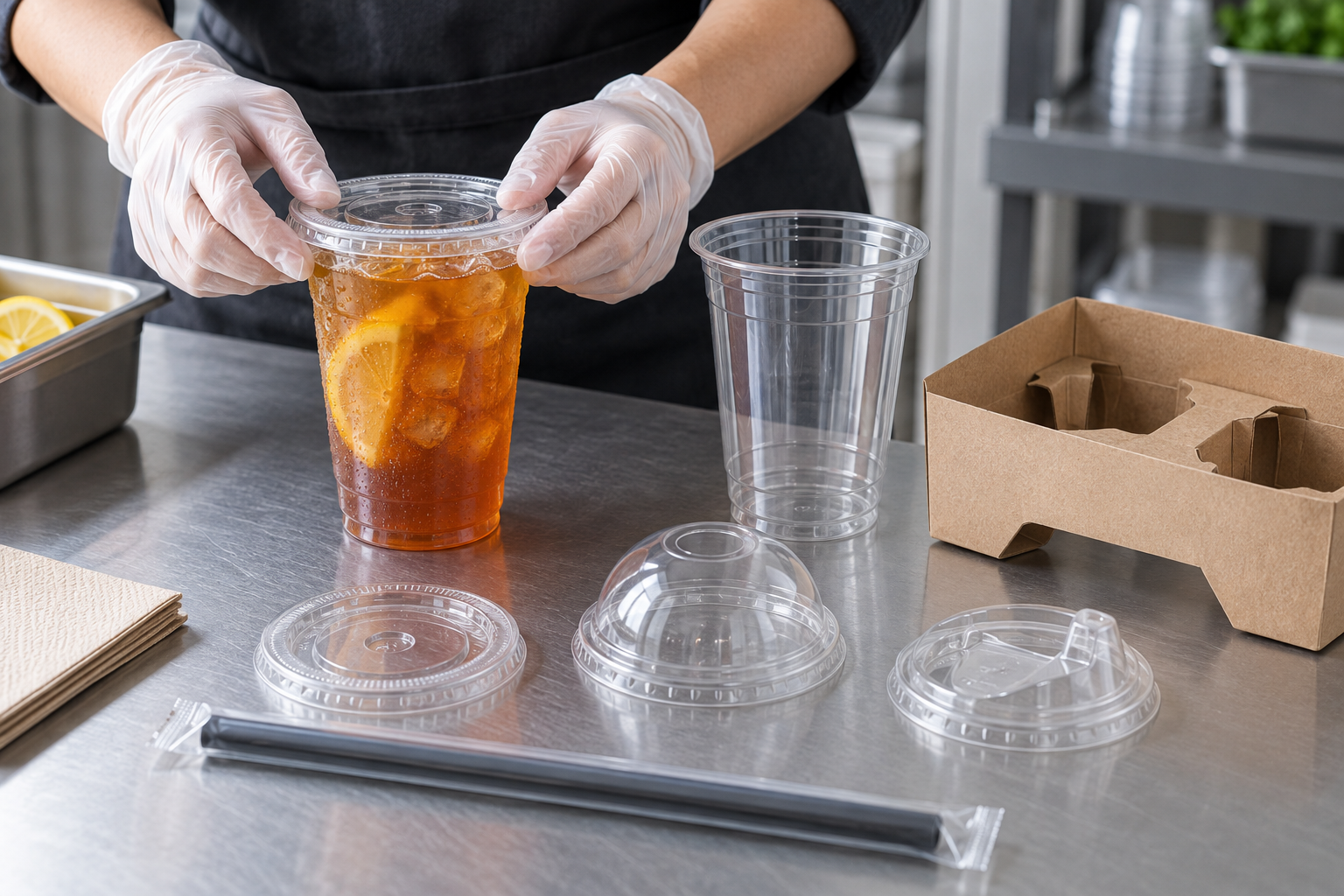
Packaging is part of the recipe's delivery to the guest. A cup that looks suitable can still have a lid-fit, sealing or carrier problem. Request samples and assemble a finished drink before ordering cases.
Cups and lids
Confirm material, size and compatibility with the supplier. If you plan to seal cups, check the complete cup, film and sealing-equipment combination. If you use fitted lids, check the exact lid and cup together rather than relying on a shared size description.
Straws and carriers
Match the straw to the chosen topping and the carrier to the cup base. Test how staff collect the order, label it and pass it to a driver. A bubble tea supplies checklist should include the items that make takeaway service practical, not only what goes inside the drink.
Storage at the station
Choose where clean cups, lids and wrapped straws will be held and how employees will access them. Keep the layout simple enough that staff do not need to leave the station repeatedly to finish an order.
Check Bubble Tea Supplies Against Your Equipment
If you use automated equipment, start with the supplier's approved ingredients and preparation instructions. A powder, concentrate or fruit preparation intended for manual mixing may not be appropriate for a dosing system.
Before changing products, ask about compatibility, preparation, recipe adjustments and cleaning. Do not improvise a substitution because two products share a flavor name. For a SiPod smart beverage machine, discuss these questions with the team alongside the machine configuration.
Also list what stays outside the machine. A topping station, ice handling, cups and cleaning tools may still need separate planning. Bubble tea supplies and equipment should be evaluated as one working station.
Size the Opening Order Around a Test Period
You do not need to predict a perfect launch. You do need a purchasing assumption you can revise. Estimate drinks by recipe for a short test period, then connect those servings to the required products and supplier lead times.
Ask for the expected usable yield of each product under your chosen recipe. Keep package units clear: a case, bottle, bag and serving are not the same thing. When comparing bubble tea supplies, check delivered cost, order minimums and storage needs before choosing a larger pack.
Separate expected use from reserve stock
The opening order should account for testing and staff practice as well as saleable drinks. Keep those uses visible so a low remaining stock count does not get mistaken for strong sales. The appropriate reserve depends on supplier lead time, storage conditions and product instructions.
Learn from actual consumption
After launch, compare orders sold, ingredients used, remakes and discarded product. Update your bubble tea supplies order using what the restaurant actually experiences. A large unused case is not a saving simply because its unit price was lower.
Build a Repeatable Bubble Tea Supplies Receiving Routine
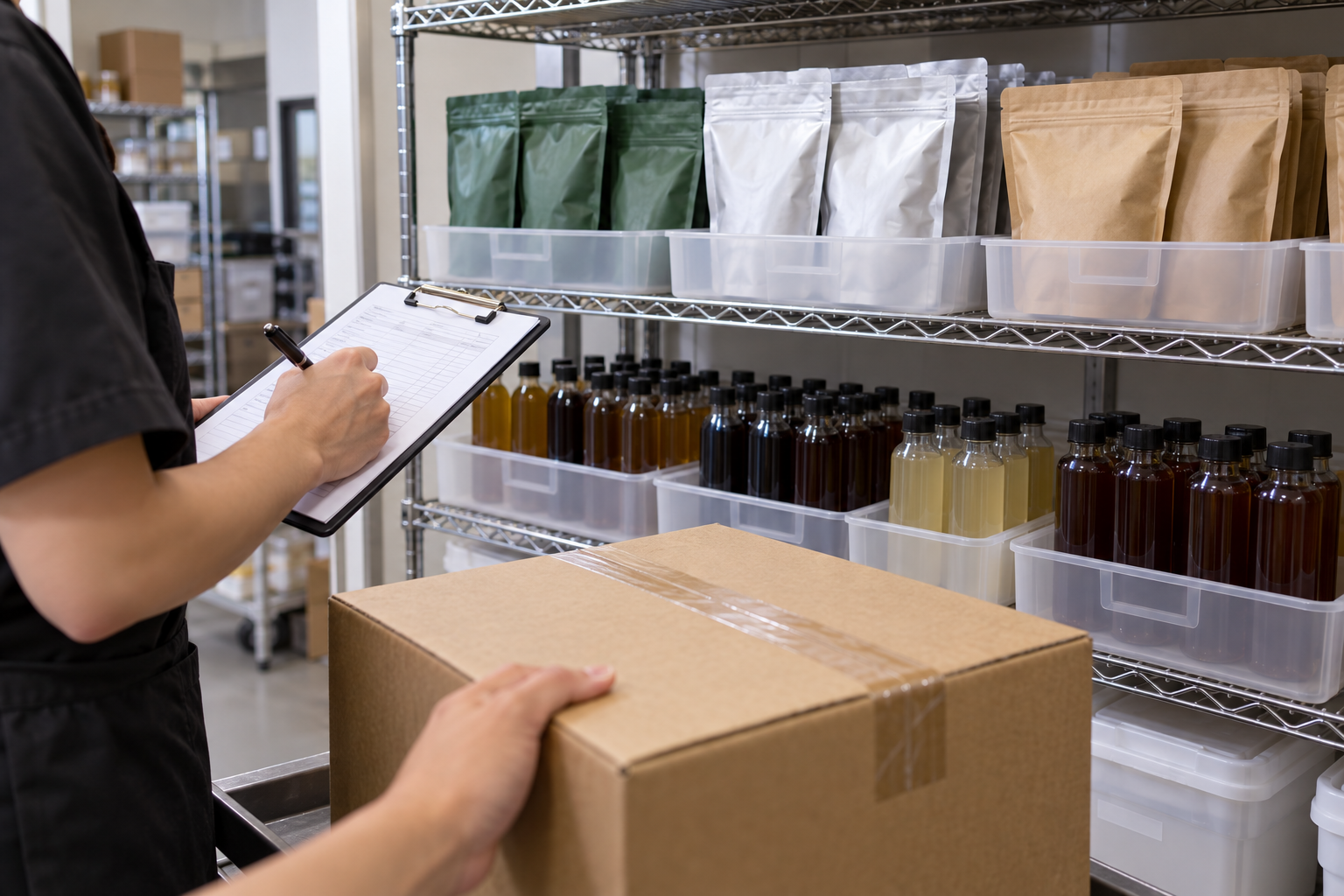
Assign someone to check deliveries of bubble tea supplies against the order. Confirm the exact product, quantity, packaging condition, lot information and the supplier's storage instructions. Keep product labels and specifications accessible to the team.
For storage, opening, preparation and holding, follow the specific product instructions and your restaurant's applicable food-safety procedures. There is no single shelf-life rule that safely applies to all tea, dairy components, prepared toppings and fruit products.
Employees should be able to find ingredient and allergen information rather than guessing from a product's flavor name. Confirm menu descriptions against the actual product documentation, especially after a substitution.
Questions to Ask a Bubble Tea Supplies Supplier
A useful conversation goes beyond the price per case. Ask:
Which items match the recipes and equipment I plan to use?
What are the package sizes, order minimums and delivery lead times?
What preparation, storage and ingredient documentation is available?
Can I obtain packaging samples before ordering in volume?
What is the process for a damaged shipment or an unavailable product?
How are substitutions approved and communicated?
Keep the answers with your purchasing record. When several employees order bubble tea supplies, use exact item codes so a similar-looking product does not quietly replace the approved one.
Bubble Tea Supplies FAQ
Do I need every popular topping?
No. Begin with the toppings required by the menu you can execute consistently. Add more when demand and the team's workflow justify them.
Can I buy ingredients separately from the machine?
That depends on the equipment agreement and compatibility requirements. Obtain written guidance before purchasing ingredients for an automated system. Do not assume that availability from a wholesaler establishes machine compatibility.
Should I buy larger cases to lower costs?
Compare delivered cost with likely use, storage capacity and product handling requirements. Larger packs are useful only when your operation can use them appropriately.
Put Your Bubble Tea Supplies Plan Into Practice
Before ordering, you should have a recipe list, an approved product list, tested packaging, a receiving routine and a person responsible for reordering. These basics make a small beverage launch easier to manage and evaluate.
Explore SiPod's supply options with your proposed menu and machine model in hand. For the wider launch process, read how to add bubble tea to a restaurant menu. A focused bubble tea supplies plan should support the restaurant you already run, while leaving room to expand once you have real order data.


Comments