Commercial Bubble Tea Machine Demo: A Restaurant Acceptance Checklist

A commercial bubble tea machine should fit the way your restaurant works, not just the drinks you want to sell. For a sushi restaurant, hot pot venue or takeout shop, the buying decision starts with a practical question: can the team make a good drink while keeping food orders moving?
The phrase covers equipment that does very different jobs. Some machines shake a drink or seal a cup. Others automate recipe dosing and dispensing. Before comparing prices, write down which steps you expect the equipment to handle and which steps employees will still own.
This commercial bubble tea machine checklist is for the next stage after building a shortlist: running a demonstration and agreeing what must be verified before handover. If you are still exploring equipment categories, start with our earlier equipment buying guide. Here, the focus is what to test and record at your restaurant.
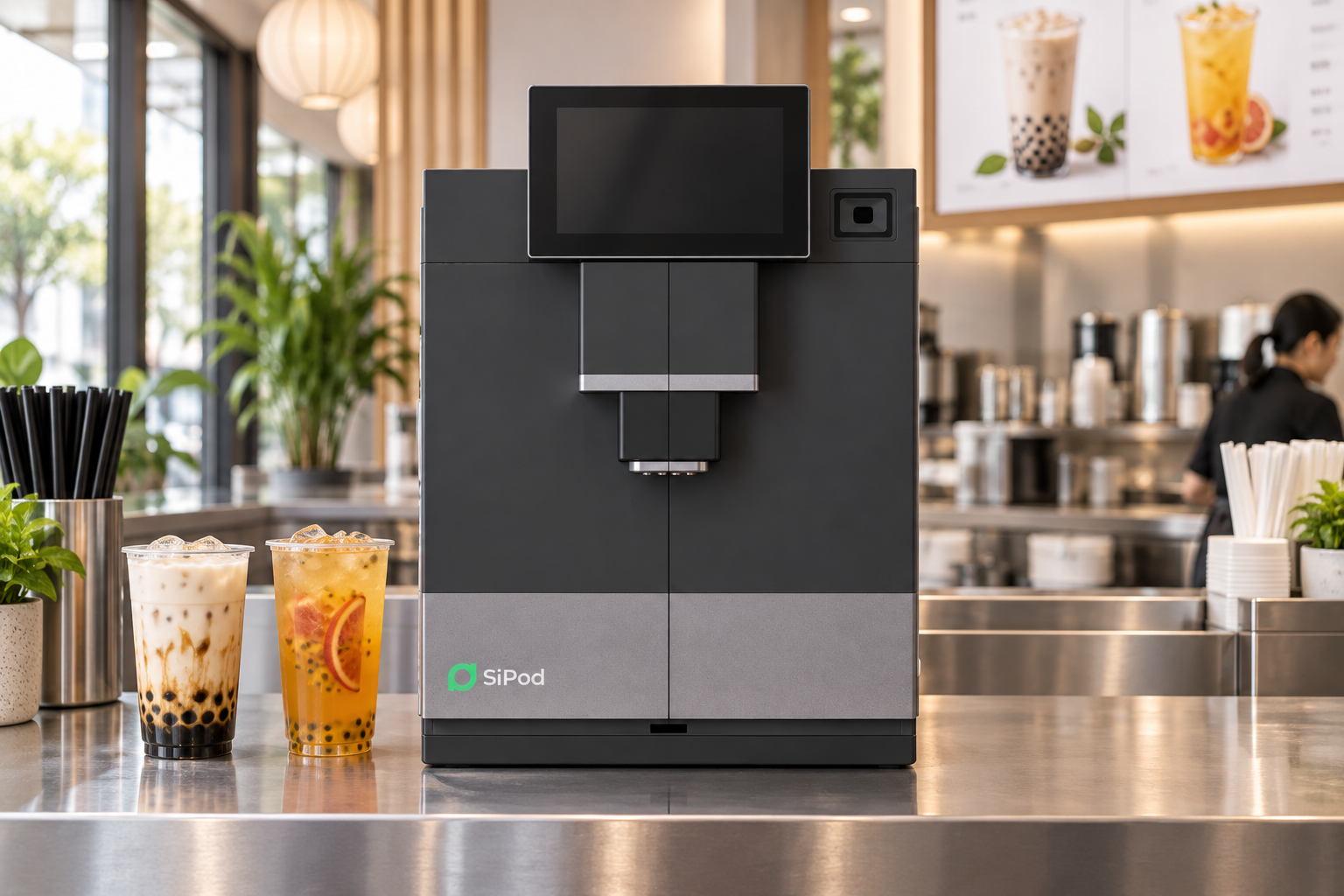
Define the Commercial Bubble Tea Machine Demo Scope
Do not assume that every product described as a commercial bubble tea machine makes a complete finished drink. Ask the supplier to demonstrate a recipe from ingredient preparation through customer handoff.
Agree on a starting point
Ask whether the demonstration begins with ready-to-use ingredients or includes their preparation. Record who prepared them and which steps occurred before you arrived. Otherwise, a smooth presentation can hide work that your opening team will need to do every day.
Identify the exact configuration
Record the model, recipe configuration, ingredients and cup sizes used by the commercial bubble tea machine in the demo. These should match the proposed installation. SiPod calls its approach a smart beverage machine; use the SiPod machines page to identify which model you are discussing, then ask for the model-specific documents.
Tasks that remain outside the machine
Confirm who prepares ingredients, handles ice, adds toppings, fits lids, replenishes supplies and cleans the station. Do not assume the machine cooks tapioca pearls or dispenses every topping. A useful supplier answer names the remaining work clearly.
Test the Commercial Bubble Tea Machine With Your Menu
Start with a short list of drinks that suit the food you already sell. A hot pot restaurant might test refreshing tea drinks alongside milk tea; a takeout shop might prioritize recipes that travel well. These are menu-planning options, not promises about what your customers will buy.
For each proposed drink, list the tea base, milk or creamer, flavor component, topping, cup size and finishing steps. Then ask the supplier to demonstrate that exact combination. A commercial bubble tea machine that handles one sample recipe well may need a different configuration for another.
Use the SiPod beverage menu as a discussion starting point. Confirm current recipe availability and ingredient compatibility for the specific machine under consideration before printing your own menu.
Keep customization manageable
Decide which sweetness, ice and topping options the team can consistently explain and fulfill. Every option adds an order-entry and preparation decision. During a demonstration, test the variations you actually plan to offer rather than an unlimited list of possibilities.
Test the handoff, not only dispensing
With a commercial bubble tea machine, the guest experiences the complete order. Check whether the drink is identified correctly, whether the lid fits and whether it can be packed beside the meal. Staff should not have to cross the kitchen repeatedly to finish one cup.
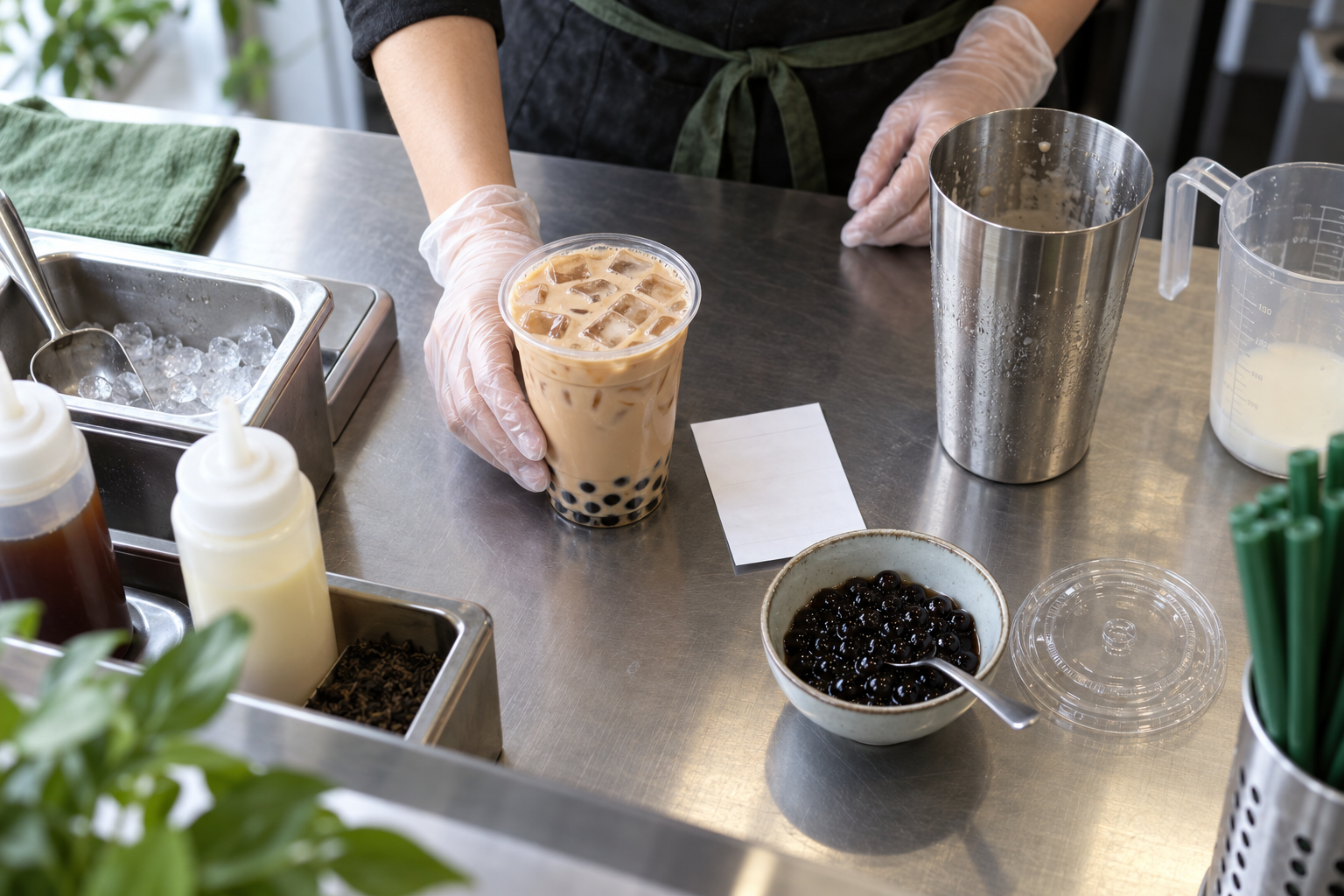
Rehearse a Busy Shift Before Accepting the Station
Prepare sample order tickets that resemble your restaurant's actual service: a drink with a meal, a takeaway order and a recipe change. This is a workflow rehearsal, not a benchmark claim. Watch where tickets wait and whether the person packing food knows when a drink is ready.
A commercial bubble tea machine needs an assigned operator, a replenishment plan and a documented cleaning routine. During the rehearsal, include an ordinary interruption such as a customer question. Ask the operator to explain how they resume and identify the correct cup without losing the order.
Have the person who would normally cover the station complete the sequence after training. Record the drink and cup size, staff actions, handoff, mistakes and cleanup. If you compare a manual baseline, use the same order and record both observations without assuming the result in advance.
Ask who covers the station during a rush
If the cashier also answers calls and packs delivery orders, adding a drink task can create a queue even when dispensing is quick. Decide where the drink order enters the workflow, who starts it and who checks it before handoff. An equipment choice should support that assignment.
Will the Commercial Bubble Tea Machine Fit Your Site?
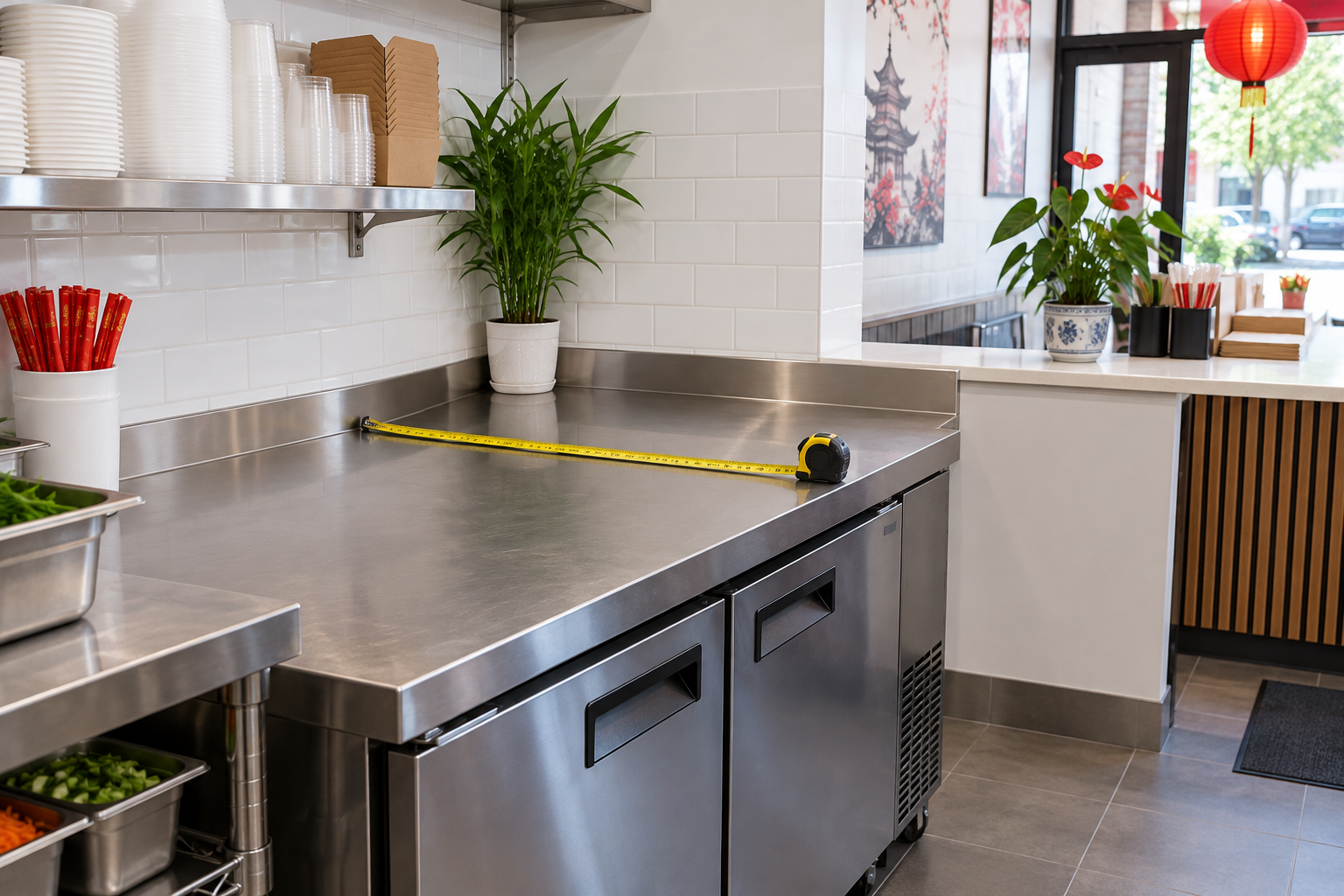
Measure the usable counter, not just the empty-looking area in a photo. Leave room for cups, ingredient access, cleaning and staff movement. Check the delivery route, doorways and where packaging or reserve ingredients will be stored.
Ask for the installation documents for the exact commercial bubble tea machine model. Verify electrical, water, drainage, ventilation and service-clearance requirements with the supplier and the professionals responsible for your site. Requirements should not be inferred from another model or a marketing image.
If approvals or certifications are part of the proposal, request the documents for the actual model and confirm their relevance with your local authority. A photograph of a machine is not evidence of its installation suitability.
Check Ingredients, Cleaning and Support Before Signing
The long-term experience with a commercial bubble tea machine depends on the system around it. A low headline equipment cost does not answer whether the supplies are available, whether staff can keep it running or what happens during a service interruption.
Ingredient compatibility and replenishment
Ask which ingredients are approved, how orders are placed, what substitutions are permitted and what happens if a product is unavailable. Review the SiPod supply options alongside the equipment proposal. Obtain written compatibility guidance before trying another brand or a different ingredient format.
Daily and periodic cleaning
Request a complete cleaning demonstration, including parts that must be removed or handled manually. Ask which products are required, who supplies them and where the instructions are kept. Do not interpret an automatic cleaning feature as eliminating every manual task.
Training and service
Find out who trains the opening team and how replacement employees learn the routine. Ask about support hours, diagnosis, replacement parts and the process for an interruption. For a commercial bubble tea machine, a clear service plan is part of the purchase decision, not an afterthought.
Run a Useful Commercial Bubble Tea Machine Demonstration
Bring your intended menu, counter measurements and the staff member most likely to operate the station. Ask the supplier to show a normal service sequence, not just the easiest drink.
Prepare a proposed menu drink from the correct ingredients.
Make a different recipe immediately afterward.
Demonstrate permitted customization and order identification.
Replenish an ingredient and explain what happens when it runs low.
Show the end-of-shift cleaning and restart process.
Record what you observed and what remains unverified about the commercial bubble tea machine. Separate measured results from estimates. Taste the drinks with the food they will accompany, and check takeaway packaging when delivery is part of your business.
Questions About Choosing a Commercial Bubble Tea Machine
Is an automated setup always better than a manual one?
No. The right choice depends on the menu, team, counter space and service model. Compare the actual workflow and total operating obligations, rather than assuming one approach wins for every restaurant.
Does automation mean no staff involvement?
No. Ingredient preparation, cup handling, toppings, cleaning and customer service still need clear ownership. Ask the supplier to identify exactly which steps are automated.
How should I compare quotes?
Ask each commercial bubble tea machine supplier to separate equipment, installation, required supplies, training, service and contract terms. Use the same operating assumptions. For financial planning, see SiPod's milk tea machine ROI guide, then replace example assumptions with your own quote and costs.
Finish With a Commercial Bubble Tea Machine Handover Record
Before handover, record the tested recipes, staff tasks, installation requirements and support contacts. For each item, mark verified, needs a retest or awaiting documentation. Record who will resolve open items and when. A demonstration is useful only when its findings survive beyond the meeting.
Explore SiPod machines and discuss your menu and counter layout with the team. A useful next step is a commercial bubble tea machine demonstration matched to your restaurant, followed by a written proposal you can compare line by line.


Comments